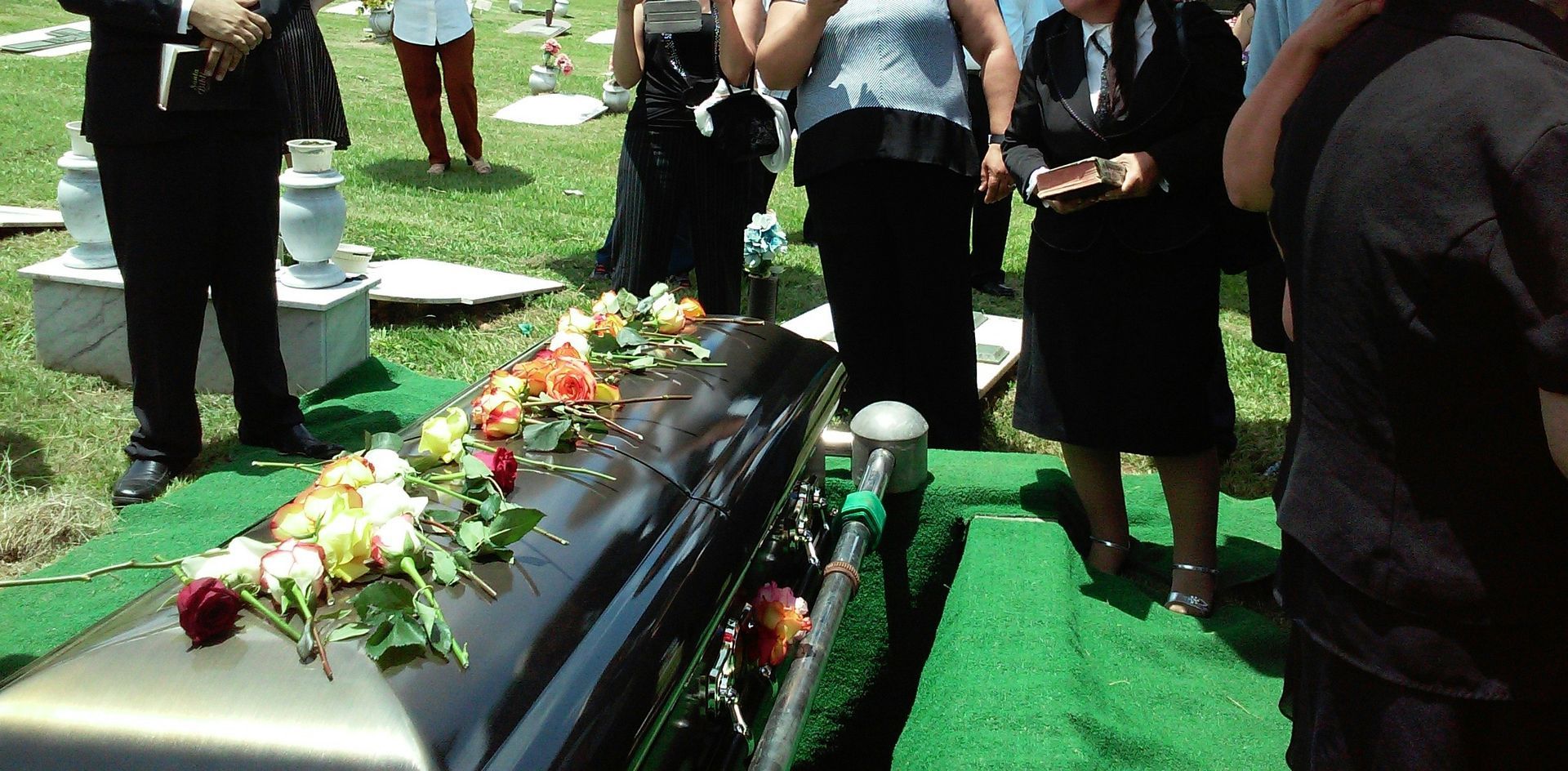
When someone dies in Pennsylvania, the first step is to call 911 if the death was unexpected, or a hospice or physician if it was expected, then contact a funeral home, which will transfer your loved one into care and guide you through the required paperwork, including a death certificate that must be filed within 96 hours.
If you are reading this in the hours after a loss, you may not know what to do first, and that is completely normal. Nobody is fully ready for this moment, no matter how much they expected it.
The Oliver H. Bair name has been helping Philadelphia-area families through this since 1878. This guide will walk you through what happens next, one step at a time.
The First Call: Who to Reach in the First Hour
If the death happened at home and was unexpected, call 911 first. Emergency responders will determine next steps, and in some cases the county coroner's office becomes involved before a funeral home can act.
If the death was expected, under hospice care, or occurred in a hospital or nursing facility, the staff on site will typically contact the family and can help you reach a funeral home directly. Once you are ready, you can call Oliver H. Bair & Monaghan any time, day or night, at (610) 449-8585, and our page on when a loss occurs
has more detail. A staff member answers at every hour, not a machine or a call center.
You do not need to have decided on burial, cremation, or a service type before this call. That conversation comes next, and there is no pressure to rush it.
Bringing Your Loved One Into Our Care
Once you call, we coordinate directly with the hospital, hospice, nursing facility, or medical examiner's office to bring your loved one into our care. If the death occurred at one of the hospitals serving this area, we are familiar with local hospital release procedures and work directly with their staff, which is detailed further on our page about coordinating care from a hospital.
If the death occurred at home, we arrange transportation from the residence. In our experience, families are often surprised by how much of this logistical work is handled quietly, without them needing to make a dozen separate calls.
The Paperwork Pennsylvania Requires
Pennsylvania has specific documentation requirements, and most of them fall to the funeral director rather than the family. A physician, coroner, or medical examiner must certify the cause of death, and the funeral director is then responsible for filing the completed death certificate with the local registrar within 96 hours of death.
To complete the certificate, we will need some basic information about your loved one, including:
- Full legal name, date and place of birth
- Social Security number
- Marital status and spouse's name, if applicable
- Parents' names, including mother's maiden name
- Military service and discharge information, if applicable
Once the certificate is filed, you can order certified copies for banks, insurance companies, and government agencies. A valid photo ID is required to request copies yourself.
Burial and Cremation Timelines Under Pennsylvania Law
Pennsylvania law does not require embalming, but it does place specific rules on cremation. A mandatory 24-hour waiting period applies after death before cremation can occur, and every cremation in the state requires authorization from the county coroner or medical examiner, in addition to written authorization from the next of kin.
Under Pennsylvania law, a surviving spouse has the sole authority to make disposition decisions; if there is no spouse, that right passes to the next of kin, subject to the deceased's written wishes in a valid will. When next of kin of equal standing disagree, the question goes to court, which gives preference to the closest relationship. We will explain exactly how this applies to your family during the arrangement conference, so there are no surprises.
How Soon a Service Can Be Held
There is no legal deadline in Pennsylvania for holding a funeral, memorial service, or celebration of life. Most families schedule a service within about a week of the death, which gives time to notify relatives, file paperwork, and prepare the chapel or venue.
If out-of-town family needs more time to travel, or if a burial plot or cemetery date needs to be coordinated, timelines can stretch further. We also offer funeral webcasting for relatives who cannot travel, so distance does not mean missing the service entirely.
Notifying Social Security and Other Institutions
Within the first week, Social Security generally needs to be notified of the death. In most cases, if you provide us with your loved one's Social Security number, we can report the death on your behalf. If benefits were being received, surviving family members may be eligible for Social Security survivor benefits, which is a separate application from the initial death report.
Beyond Social Security, plan to notify banks, insurance companies, pension providers, and any utility or subscription accounts in your loved one's name. Having several certified copies of the death certificate on hand will make these calls faster.
Serving Drexel Hill and Delaware County Families
Oliver H. Bair & Monaghan sits on the city line at 8500 West Chester Pike in Upper Darby, within easy reach of Drexel Hill and the surrounding Delaware County communities. Families from this area have relied on the Oliver H. Bair name, and the full range of funeral services we provide, for generations.
Whether your family is planning a traditional funeral, a graveside service, or cremation with a memorial gathering, our Drexel Hill funeral home is close by and available around the clock. We also coordinate monument and cemetery arrangements through our affiliated partners when that is part of your family's plan.
Frequently Asked Questions About What to Do When Someone Dies in Pennsylvania
How soon after death should a funeral be held in Pennsylvania?
There is no law in Pennsylvania setting a deadline for holding a funeral or memorial service. Most families hold a service within a week of the death, once a death certificate is filed and arrangements are confirmed. If embalming or refrigeration is used, there is more flexibility on timing. We will walk you through a realistic timeline once we know your family's circumstances and wishes.
Do I need a funeral director to handle arrangements in Pennsylvania?
A licensed funeral director typically handles the burial, cremation, or transportation of a body in Pennsylvania. A funeral director also handles the paperwork, coordinates with the coroner's office when needed, and manages the legal filings. This is the role Oliver H. Bair & Monaghan has filled for Philadelphia-area families since 1878.
How long does it take to get a death certificate in Pennsylvania?
Pennsylvania requires the death certificate to be filed with the local registrar within 96 hours of death. Once it is filed electronically, certified copies can often be requested right away; paper filings may take longer. Your funeral director typically handles the filing and can advise on ordering certified copies for the bank, insurance, and Social Security.
What documents do I need to plan a funeral in Pennsylvania?
You will generally need the decedent's Social Security number, date and place of birth, military discharge papers if applicable, and information for the death certificate such as parents' names and marital status. A valid photo ID is needed if you personally order certified death certificate copies later. We help gather and organize this information during the arrangement conference.
Can cremation happen right away in Pennsylvania?
No. Pennsylvania law requires a mandatory 24-hour waiting period after death before cremation can take place, and every cremation must be authorized by the county coroner or medical examiner. Written authorization from the next of kin is also required. These steps protect families and are completed as quickly as possible once arrangements begin.
Who has the legal right to make funeral decisions in Pennsylvania?
Under Pennsylvania law (20 Pa.C.S. Section 305), a surviving spouse generally holds the right to make disposition decisions first, followed by adult children, then parents, then siblings, unless the deceased left a written statement naming someone else. When family members of equal standing disagree, Pennsylvania law provides for majority decision-making. We can explain how this applies to your family's situation.
We're Here Whenever You're Ready
There is no checklist that makes this easier, but you do not have to figure it out alone. Oliver H. Bair & Monaghan Funeral Home is available 24 hours a day, 7 days a week at (610) 449-8585, and a real person answers every call. If you would like to think through your own wishes ahead of time, our pre-planning checklist
is a good place to start, with no pressure and no obligation, just people who know how to help.