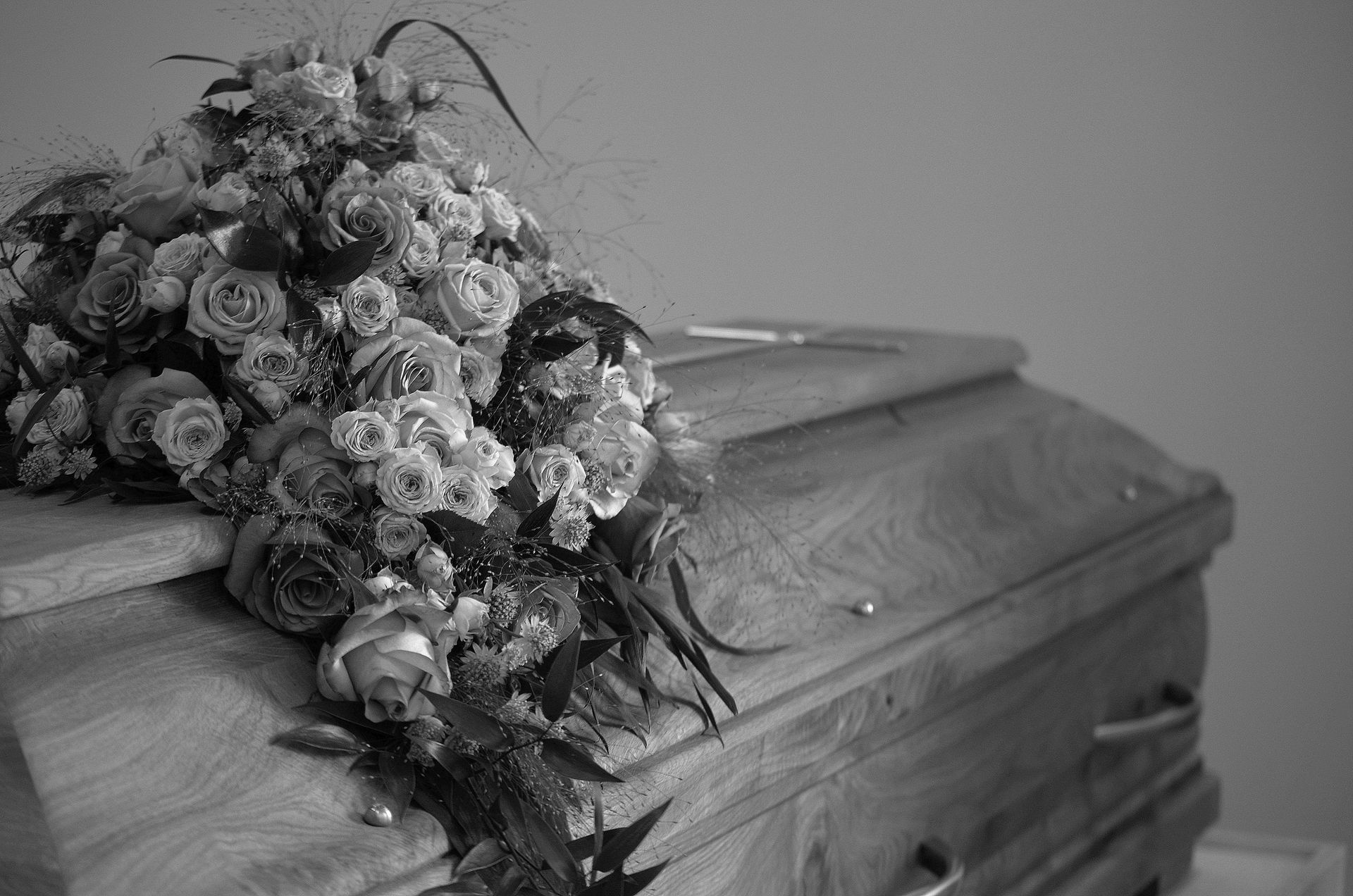
Honoring Diverse Communities at a Philadelphia Funeral

The Oliver H. Bair Co. • September 24, 2026

Share this article

Philadelphia is one of the most culturally diverse cities in the United States. Its neighborhoods reflect generations of immigration, migration, and community-building that have layered the city with traditions, languages, and ways of marking life's most significant moments. When it comes to honoring the dead, that diversity is not a complication to be managed. It is a richness to be embraced. Families from every background deserve a funeral experience that reflects who their loved one truly was, the culture they came from, the faith they practiced, and the community that shaped them.

Why Cultural Sensitivity Matters in Funeral Care

A funeral service is one of the most intimate and significant gatherings a family will ever hold. When the rituals, language, and customs that define a family's identity are honored within that service, the experience feels whole. When they are overlooked or handled without care, something essential is lost. Families should never have to choose between their cultural traditions and the quality of professional funeral care they receive.

Funeral providers who serve diverse communities understand that their role is not to impose a standard template but to listen carefully, ask the right questions, and build a service around what the family actually needs. That kind of attentiveness is at the heart of meaningful funeral services in a city as varied as Philadelphia.

African American Funeral Traditions

Philadelphia's African American community has a deep and distinctive funeral culture rooted in faith, music, and communal expression. Homegoing services, as they are often called, tend to be celebratory as well as mournful, emphasizing the deceased's passage into eternal life rather than focusing solely on the grief of those left behind. Gospel music, spirited eulogies, and active congregational participation are common features of these services.

Many African American families in Philadelphia have longstanding relationships with specific churches and funeral homes that understand their traditions intimately. Families who are new to a provider should feel empowered to communicate exactly what kind of service reflects their loved one's faith and community, and to expect a team that listens and delivers accordingly.

Hispanic and Latino Funeral Customs

Philadelphia's Hispanic and Latino communities bring their own rich traditions to funeral care, shaped by country of origin, regional customs, and the particular blend of Catholic faith and family-centered culture that characterizes much of Latin American life. Wakes, known as velatorios, are often extended family gatherings where prayer, storytelling, and the preparation of food create a communal atmosphere of mourning and remembrance.

The rosary may be prayed aloud at the wake, and a formal Catholic Mass is typically central to the funeral service itself. Families may also observe specific mourning periods and customs around dress and home observance that extend well beyond the day of the service. A funeral provider who understands and respects these practices can help coordinate the service in a way that feels authentic rather than approximated.

Asian American Communities and Funeral Observance

Philadelphia is home to significant Chinese, Vietnamese, Korean, and South Asian communities, each with its own approach to death and mourning. Chinese funeral customs may include specific rituals around the preparation of the body, the use of incense, and the burning of paper offerings. Vietnamese Catholic families may blend traditional Vietnamese mourning customs with the liturgy of the Church. Korean families may observe a three-day mourning period with structured visitation practices.

South Asian communities, whether Hindu, Sikh, Muslim, or Christian, bring their own distinct requirements around the preparation of the body, the timing of the service, and the rituals that surround cremation or burial. Cremation services for Hindu families, for example, carry specific religious significance and may involve particular requests around how the cremation is handled and how the remains are treated afterward.

Jewish Funeral Traditions

Jewish funeral customs are guided by halachic law and emphasize simplicity, dignity, and the swift return of the body to the earth. Embalming is generally not practiced, and burial typically takes place within twenty-four hours of death when possible. The tahara, a ritual washing and preparation of the body, is performed by a trained group within the Jewish community known as the chevra kadisha.

Following the burial, the family enters a period of shiva, during which they remain at home and receive visitors who bring food, offer condolences, and share memories of the deceased. A funeral provider serving Jewish families must understand these requirements and be prepared to coordinate quickly and respectfully within their framework.

Muslim Funeral Customs

Islamic funeral practice also emphasizes simplicity and speed. The body is washed and wrapped in a white shroud, and burial should occur as soon as possible after death. Embalming and cremation are generally not permitted under Islamic law. Funeral prayers, known as Salat al-Janazah, are performed by the community before burial.

Funeral providers serving Muslim families must be familiar with these requirements and ready to work in close coordination with the family and their imam to ensure that every step of the process is handled in accordance with their faith.

Personalization Across Every Tradition

Regardless of cultural or religious background, families today increasingly want services that reflect the specific individual they have lost, not just the tradition they belong to. Personalization within the framework of a cultural or religious service is entirely possible and deeply meaningful. A photograph display, a piece of music the deceased loved, a reading in their native language, or a small ritual specific to their hometown or heritage can transform a standard service into something that feels genuinely irreplaceable.

Supporting Families Through Grief Across Cultures

Grief itself is universal, but how it is expressed and supported varies considerably across cultures. Some communities expect loud, open mourning. Others observe quiet and composed remembrance. Some have structured mourning periods with clear social expectations. Others leave the grieving process largely to the individual. Families navigating loss within a specific cultural framework may find that grief resources tailored to their community offer the most meaningful support in the weeks and months that follow.

A Funeral Home That Listens

The Oliver H. Bair Co. has served Philadelphia's diverse communities for nearly a century and a half. That longevity reflects not just experience but a genuine commitment to meeting every family where they are, honoring every tradition with respect, and delivering care that never feels generic.

Whatever your family's background, heritage, or faith, The Oliver H. Bair Co. is here to listen and to help. Reach out at any time to speak with someone who will take the time to understand what matters most to your family.

Recent Posts

By The Oliver H. Bair Co. • September 24, 2026
A look at how funeral care in Philadelphia has evolved since 1878 and the timeless values that have remained constant, from the team at The Oliver H. Bair Co. in Upper Darby.
By Oliver H. Bair & Monaghan Funeral Home • August 25, 2026
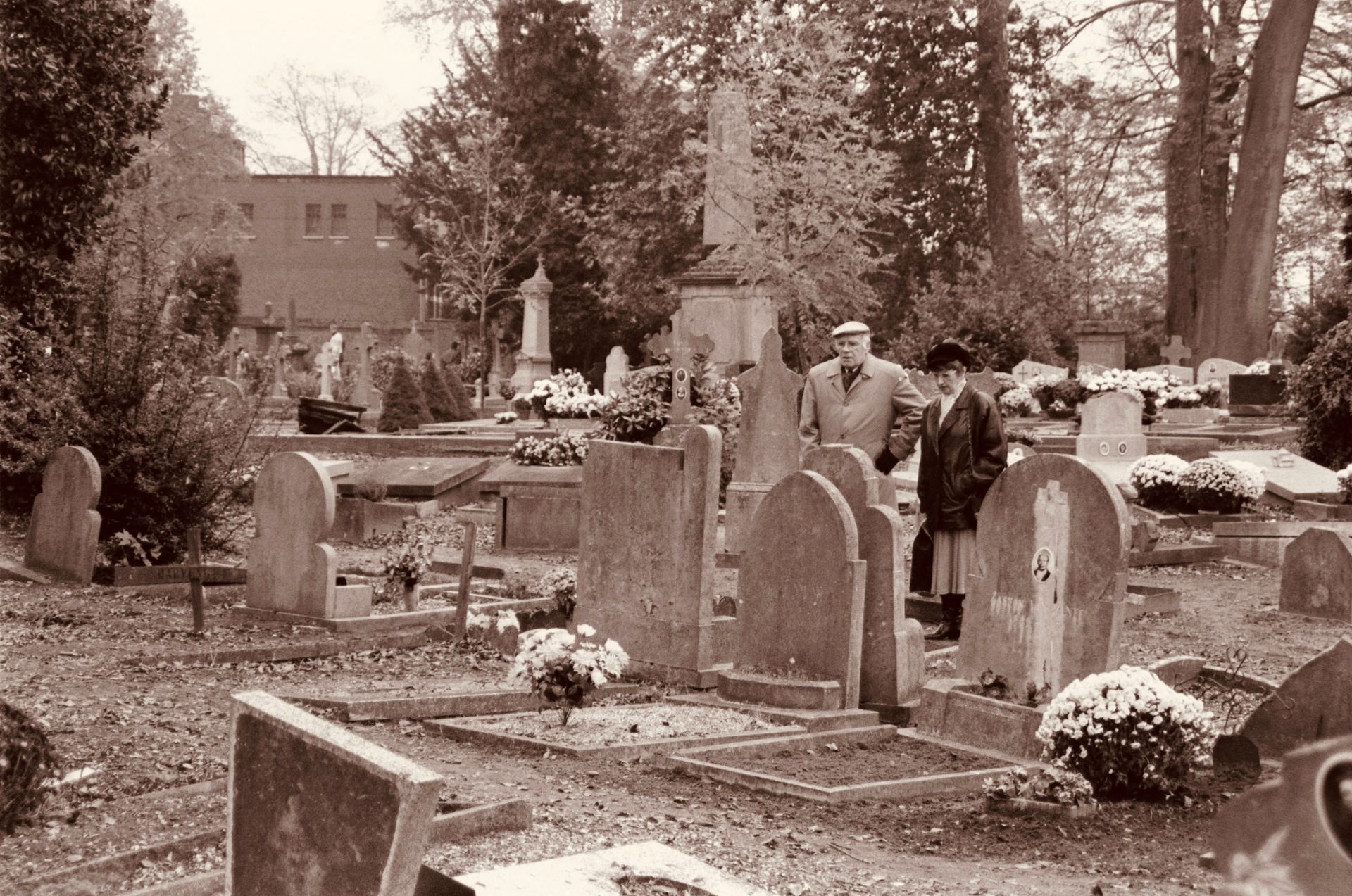
A guide to Philadelphia's historic cemeteries including Laurel Hill, West Laurel Hill, and Eden, with practical advice for families coordinating burial and committal services.
By Oliver H. Bair & Monaghan Funeral Home • August 25, 2026
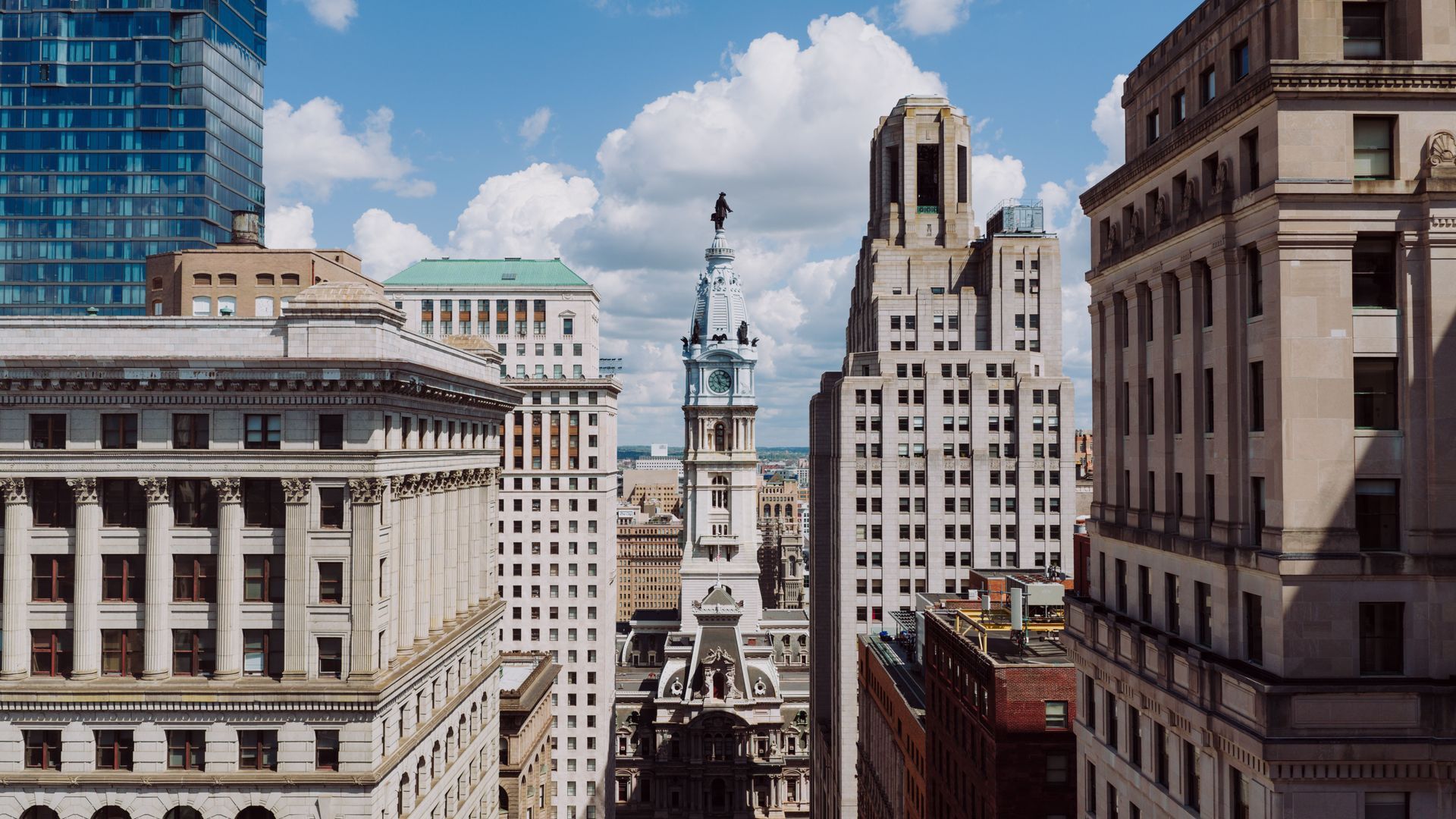
A guide for Philadelphia families considering historic chapels and houses of worship for memorial services, with practical advice on coordination, personalization, and grief support.
Coordinating a Funeral with Philadelphia's Major Hospitals
By Monaghan Funeral Home Admin • July 23, 2026
Understanding how hospital coordination works, and having a trusted funeral provider ready to step in, can ease an incredibly difficult transition.
Parking, Procession Routes, and Logistics for Philadelphia Funerals
By Monaghan Funeral Home Admin • July 23, 2026
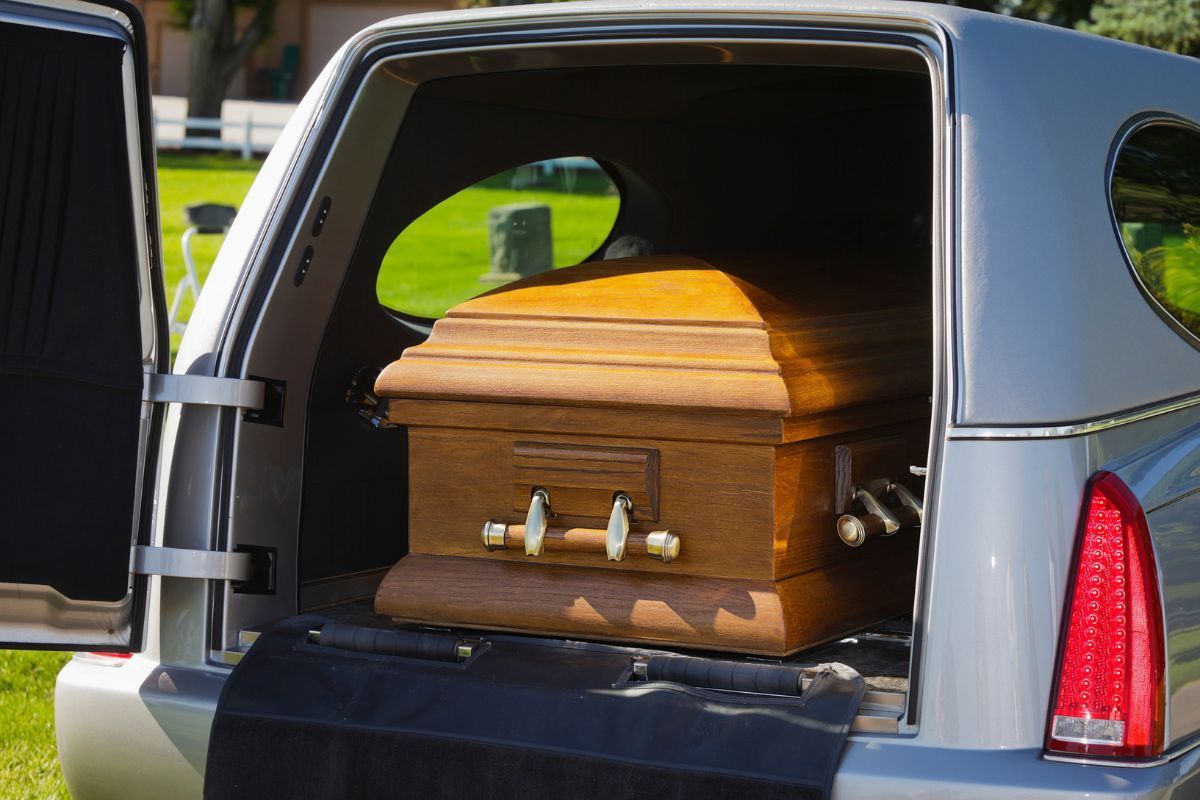
For families planning a funeral in or around the city, the logistical details of parking, procession routing, and day-of coordination deserve careful attention. Getting these details right means guests can arrive without stress, the service runs on schedule, and the farewell your loved one deserves unfolds with dignity
Funeral Services
By Monaghan Funeral Home Admin • July 7, 2026
The team at The Oliver H. Bair Co. brings all of that to every family they serve. If you have questions or are ready to begin making arrangements, someone is always available to help you find the right path forward at your own pace.

Philadelphia Funeral Care
By Monaghan Funeral Home Admin • July 7, 2026
Funeral traditions in Philadelphia have evolved significantly over the past century and a half, shaped by waves of immigration, shifting cultural values, and a growing desire for more personal and meaningful send-offs.