Holding a Memorial Service in a Historic Philadelphia Funeral Chapel
Philadelphia's architectural heritage is extraordinary. From the Federal-style buildings of Old City to the Gothic Revival churches of West Philadelphia, the city has preserved spaces that carry a sense of permanence and meaning that newer construction rarely achieves. For families planning a memorial service, the choice of venue sets the tone for everything that follows. A historic funeral chapel or house of worship does not simply provide a roof and four walls. It provides a context, a sense of weight, and a beauty that can make a farewell feel genuinely worthy of the life being honored.
What Makes a Historic Chapel Different
There is something that happens to people when they walk into a space that has held grief before. The worn pews, the quality of light through old glass, the acoustics shaped by high ceilings and stone walls, all of it communicates that this place understands what it means to gather in loss. Families who choose historic chapels for memorial services often describe a feeling of being held by the space itself, as though the building is doing some of the work that words cannot.
This matters practically as well as emotionally. A well-preserved historic chapel is typically designed with ceremony in mind. Sight lines are clear. Acoustics carry spoken words and music naturally. The layout guides guests through arrival, seating, and departure in a way that feels intuitive rather than improvised. For families coordinating funeral services for a large gathering, these design qualities reduce logistical friction considerably.
Historic Funeral Chapels in the Philadelphia Region
Philadelphia and Delaware County are home to several chapels and ceremonial spaces with deep histories and genuine architectural character. Some are affiliated with specific religious traditions, while others operate as nondenominational or secular gathering spaces. The right choice depends on the family's background, the wishes of the deceased, and the kind of atmosphere that best reflects the life being celebrated.
Many of the region's oldest funeral homes, including those that have served Philadelphia since the nineteenth century, maintain on-site chapels that were built with the same craftsmanship and attention to detail as the era's finest institutional architecture. These spaces offer families the intimacy of a dedicated funeral setting alongside the historical character that larger public venues sometimes lack.
Services Held at Houses of Worship
For families with ties to a specific congregation or faith tradition, holding a memorial service at their church, synagogue, or mosque carries a meaning that no neutral venue can replicate. Philadelphia's religious landscape is extraordinarily diverse, and the city's houses of worship range from small neighborhood parishes to grand cathedrals with seating for hundreds.
Coordinating a service at a house of worship requires communication between the funeral director and the clergy or administrative staff of the institution. Scheduling, fees, music coordination, and any liturgical requirements all need to be confirmed in advance. Families who want to incorporate deeply personalized elements into a religious service should discuss those wishes with both their clergy and their funeral director early in the planning process to ensure everything aligns smoothly on the day.
Memorial Services Following Cremation
The rise of cremation has expanded the range of venues families consider for memorial services. Because there is no requirement to hold the service within a specific timeframe tied to burial, families have greater flexibility to secure the historic chapel or house of worship that feels right, even if that means waiting a few weeks while the space becomes available.
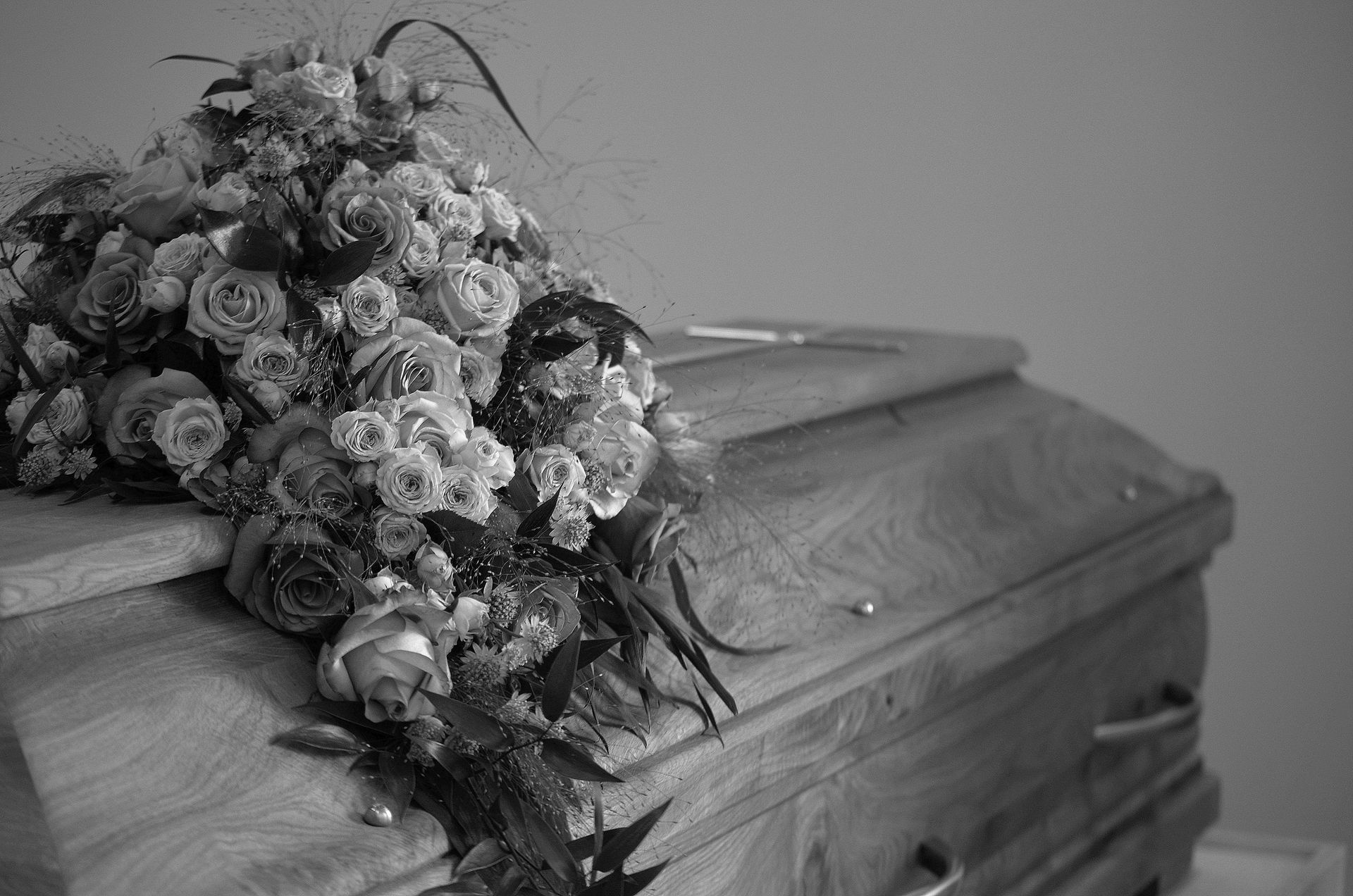
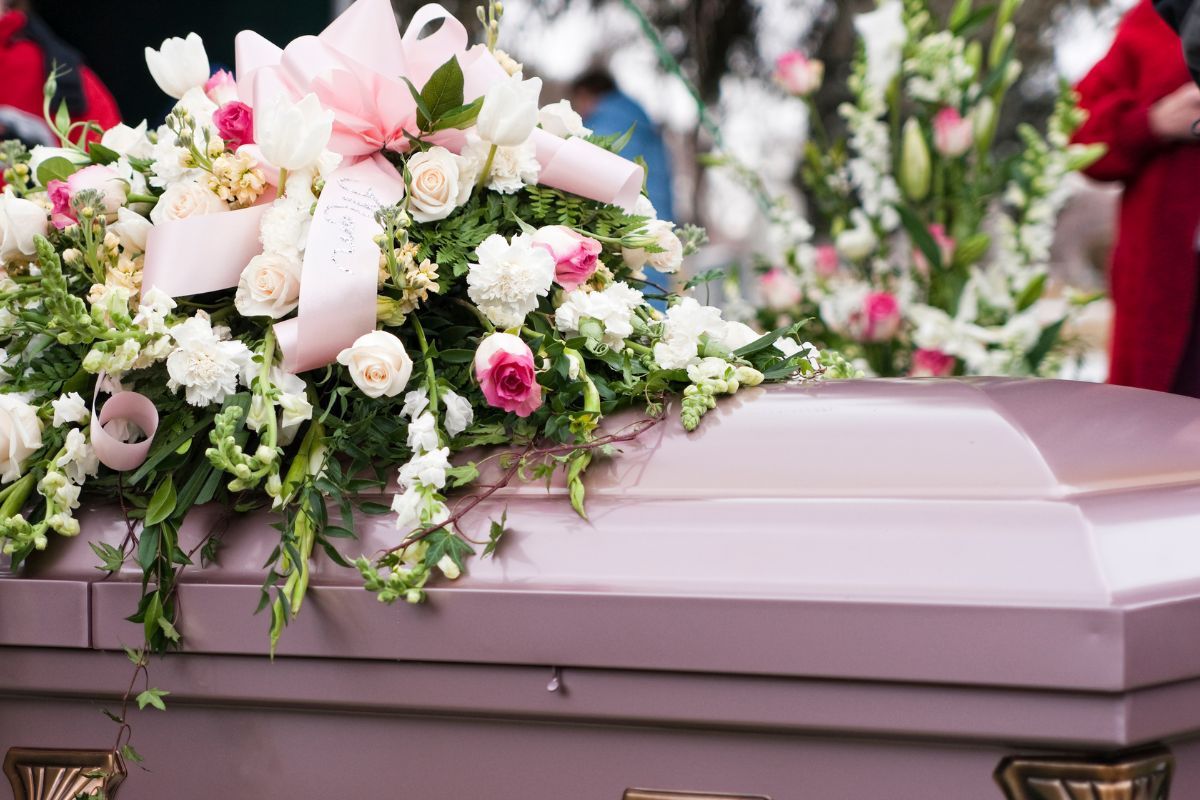
A memorial service following cremation can be every bit as formal, meaningful, and beautifully constructed as a traditional funeral service. The absence of a casket does not diminish the ceremony. Many families find that a framed photograph, a display of meaningful objects, or a simple urn placed at the front of a chapel creates a focal point that feels intimate and honest rather than clinical.
Music, Readings, and the Art of the Service
Historic chapels invite a certain quality of ceremony that encourages families to think carefully about the elements they bring into the space. Live music, whether a solo organist, a string quartet, or a choir from the deceased's congregation, resonates differently in a vaulted stone space than it does in a modern multipurpose room. The acoustics reward investment in musical quality and make even simple performances feel profound.
Readings, eulogies, and spoken tributes also benefit from the natural amplification of a well-designed chapel. Families who are thoughtful about the order of service, the pacing of tributes, and the balance between structured ceremony and personal expression tend to create services that guests remember for years.
Grief Support After the Service
A beautifully held memorial service is a powerful act of honoring, but the grief that follows does not resolve when the guests go home. Families who have put significant energy into planning a meaningful service sometimes find the days immediately after particularly quiet and disorienting. Connecting with grief resources in the weeks following a service can provide the ongoing support that the service itself, however meaningful, cannot replace.
Planning a Service Worth Remembering
The Oliver H. Bair Co. has helped Philadelphia-area families coordinate memorial services across the region's most meaningful spaces for generations. From historic on-site chapels to coordination with houses of worship throughout Delaware County and the city, the team brings the experience and relationships that make a difference when details matter most.
When you are ready to begin planning or simply want to explore your options, The Oliver H. Bair Co. is here to help. Get in touch at any time, and someone will walk you through every step with care.
Recent Posts