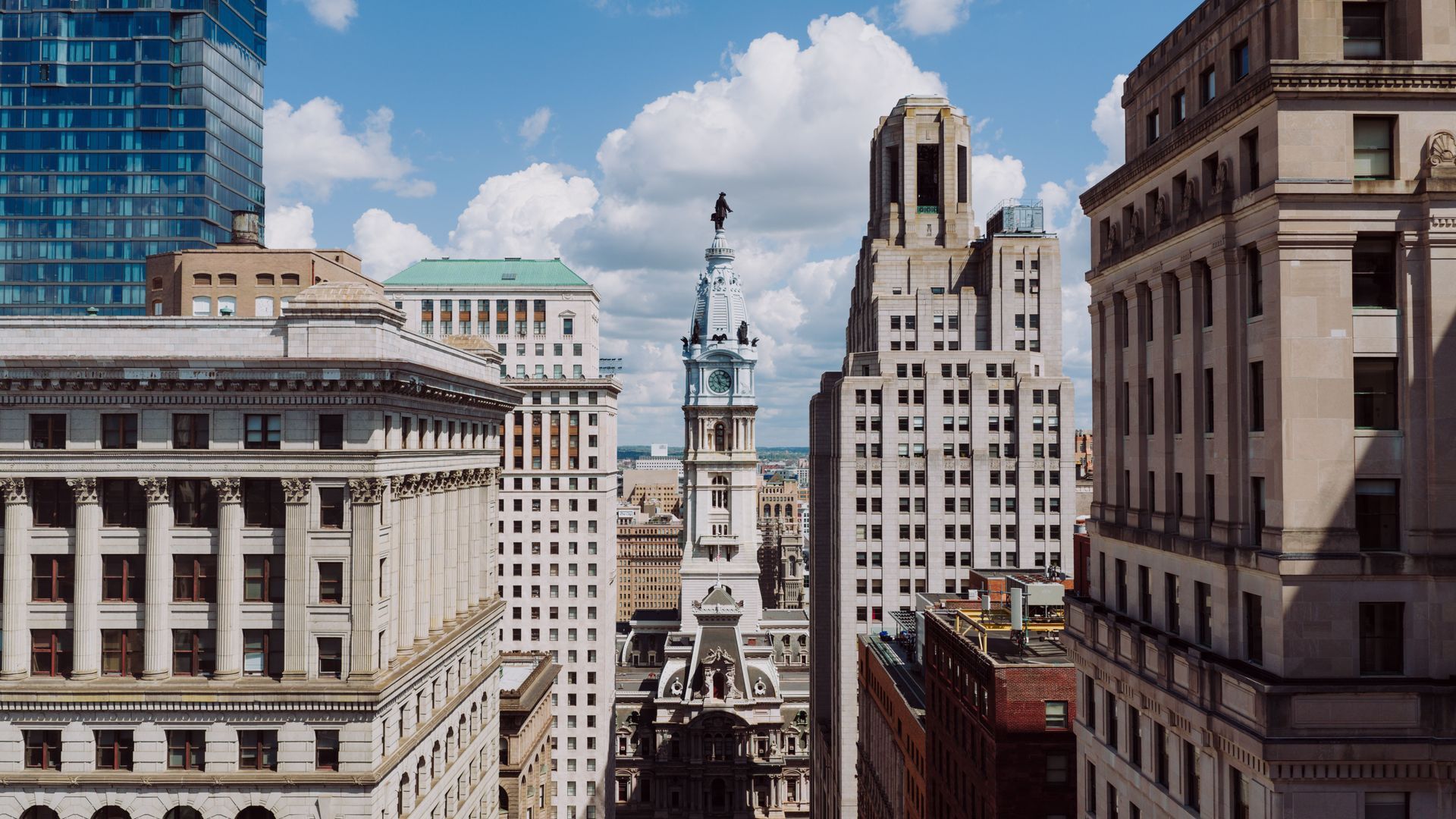
From the rowhouses of South Philly to the tree-lined blocks of Chestnut Hill, the city has always had a distinct sense of identity, and that identity extends to how its residents honor the dead. Funeral traditions in Philadelphia have evolved significantly over the past century and a half, shaped by waves of immigration, shifting cultural values, and a growing desire for more personal and meaningful send-offs.
A City Built on Ritual and Remembrance
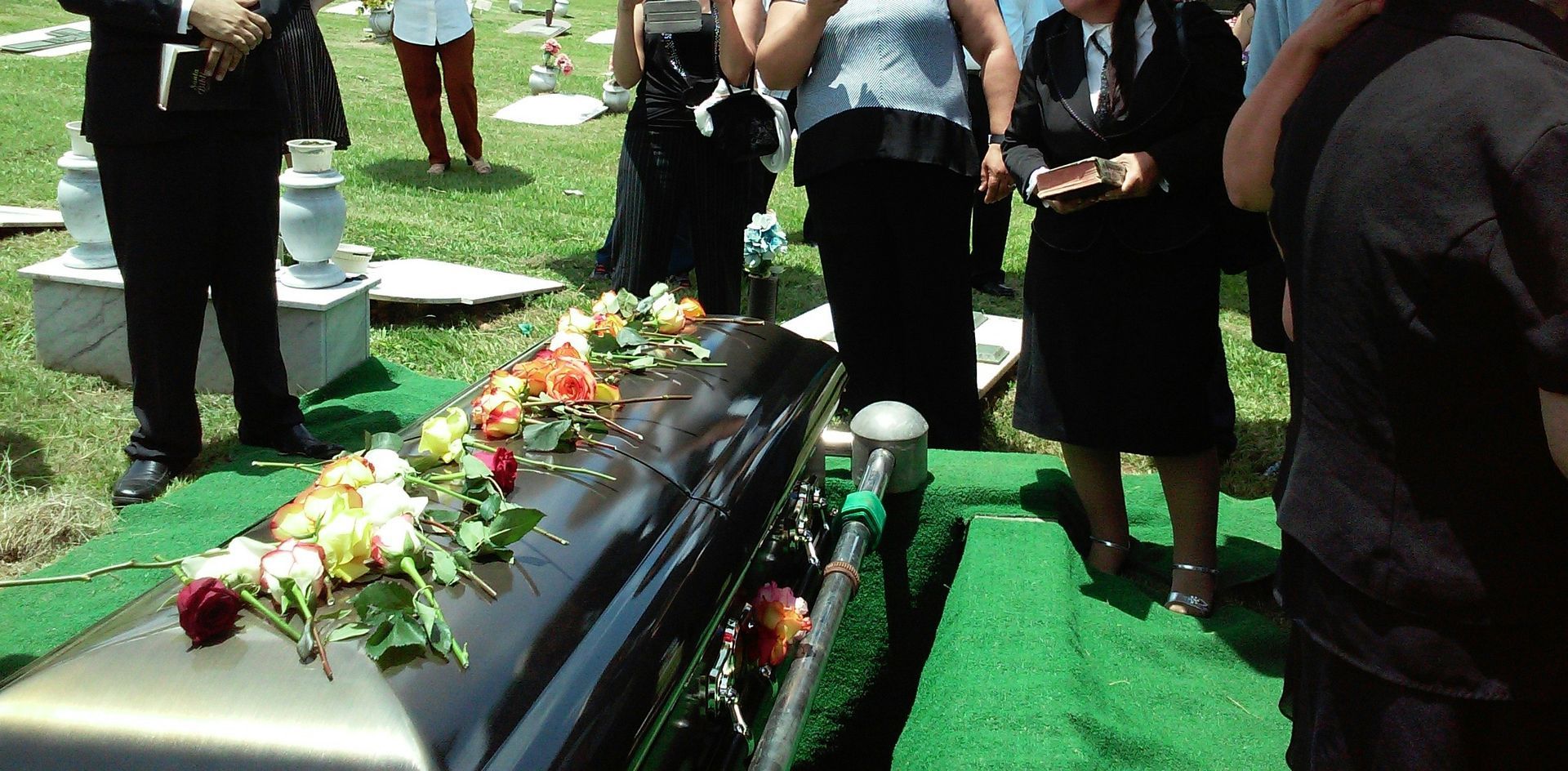
In the mid-1800s, funerals in Philadelphia were deeply formal affairs. Mourning was a public and communal act. Families displayed black mourning wreaths on their front doors, wore dark clothing for extended periods, and held wakes in the parlors of their homes. The funeral procession through city streets was a visible declaration of grief, and neighbors were expected to pause and pay their respects as the cortege passed.
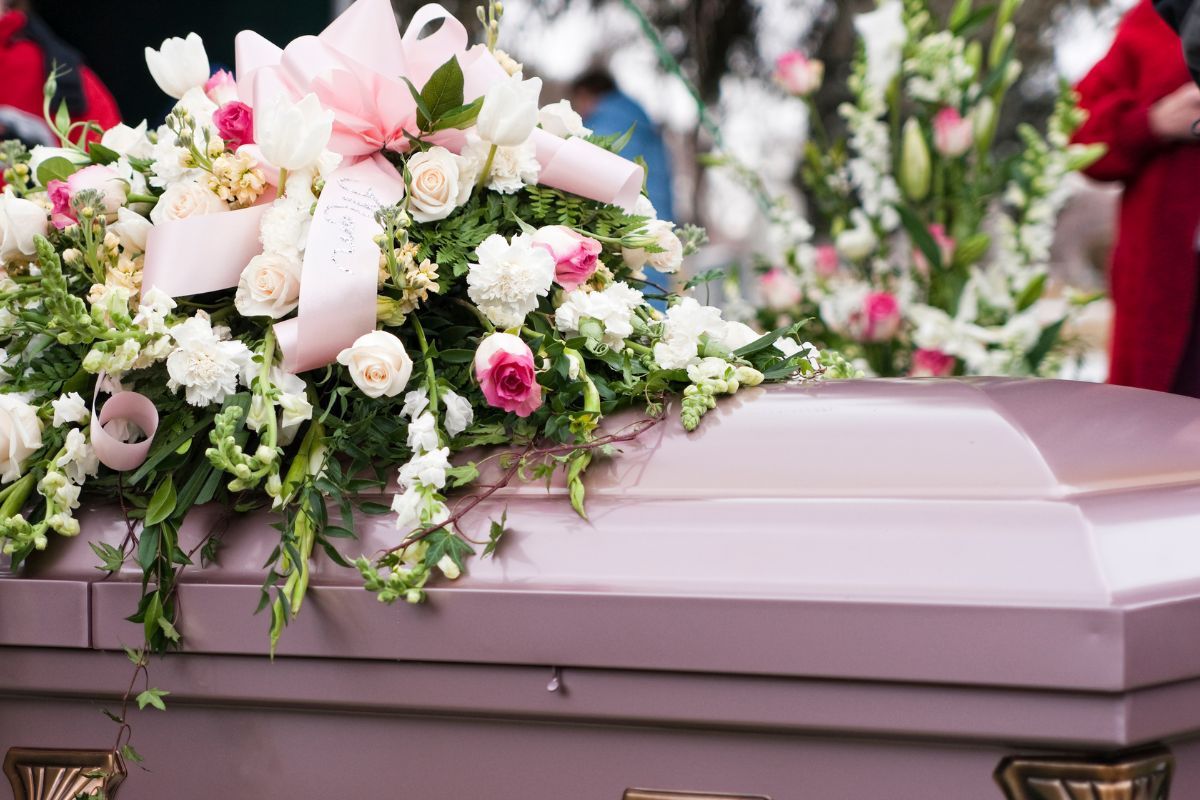
The city's diversity played a large role in shaping these customs. Irish Catholic communities brought their own wake traditions, often marked by prayer, storytelling, and a gathering that lasted through the night. Italian families in South Philadelphia maintained close ties to Old World mourning customs, with elaborate floral arrangements and solemn Masses. Jewish communities in Northeast Philadelphia followed halachic law, emphasizing swift burial, the recitation of Kaddish, and the practice of sitting shiva. Each neighborhood carried its own rituals, and those rituals created a rich and layered funeral culture unique to Philadelphia.
The Shift from Home to Funeral Home
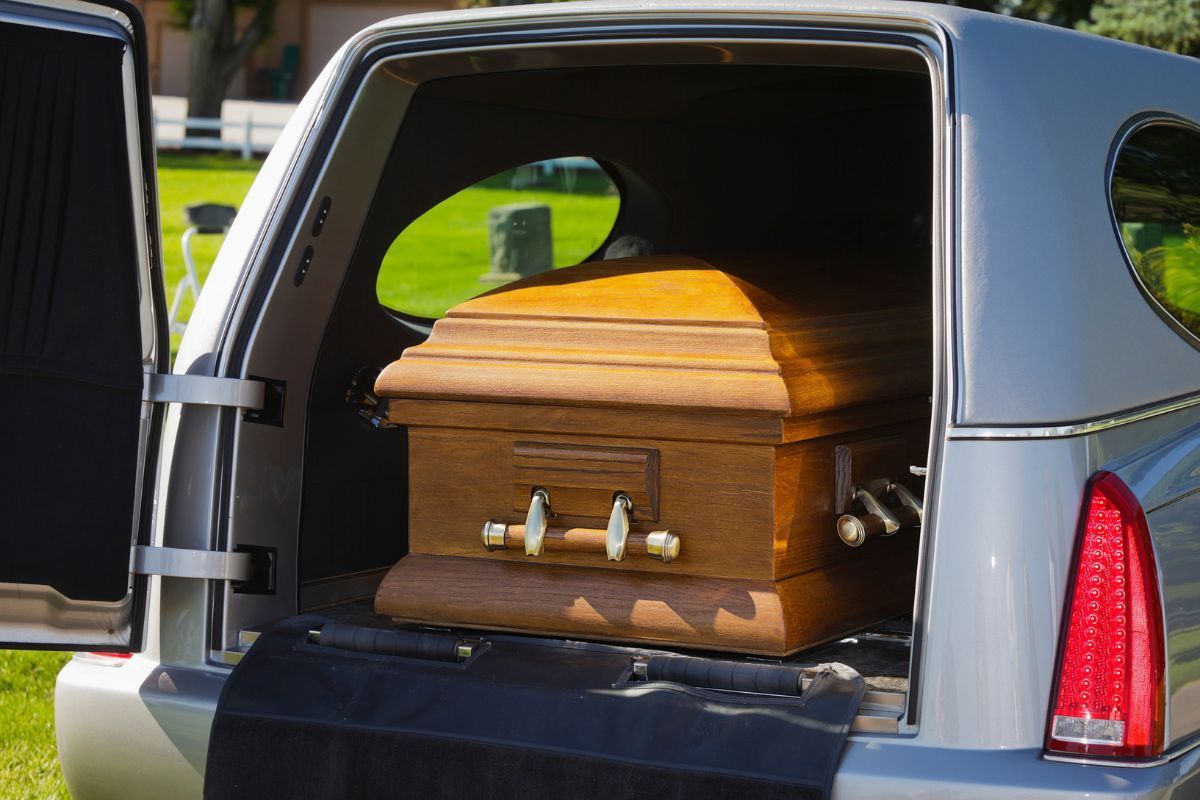
By the early twentieth century, the role of the professional funeral home began to grow. As cities like Philadelphia became more densely populated and urban apartments replaced spacious parlors, it became less practical to hold services at home. Funeral homes took on the responsibility of preparing the deceased, coordinating logistics, and providing a dignified space for families to gather.
This transition also changed the emotional landscape of mourning. What had once been an intimate, community-driven process became more structured and professionally managed. Funeral homes offered not just practical services but also guidance, helping families who were overwhelmed by loss navigate decisions about funeral services, burial, and ceremony.
Cremation and the Rise of Personal Choice
Perhaps the most significant shift in Philadelphia funeral culture over the past few decades has been the rise of cremation. What was once a minority choice has grown into one of the most common options families select. The reasons are varied: cost considerations, environmental awareness, the desire for flexibility in memorialization, and a broader cultural shift away from rigid tradition toward personal expression.
Cremation services now come in many forms. Some families scatter ashes at meaningful locations, from the banks of the Schuylkill River to the shores of the Jersey coast. Others incorporate cremated remains into memorial jewelry, plant memorial trees, or hold celebrations of life in venues that reflect who their loved one truly was. The service is no longer defined by convention alone but by the unique story of the person being remembered.
Personalization as a Modern Standard
Today's families expect more from a funeral service than a generic ceremony. They want tributes that reflect the individuality of the person they have lost, whether that means incorporating a favorite sports team, honoring a military career, or building a service around cultural or religious traditions specific to their family.
Personalization has become a defining feature of modern funeral care. Photo displays, video tributes, custom music playlists, themed décor, and personally written eulogies are now common elements of services across Philadelphia and Delaware County. Families increasingly arrive with ideas and stories they want woven into the service, and funeral professionals work alongside them to bring those visions to life.
Grief Support and the Long Road After Loss
Another meaningful change in how Philadelphia approaches death care is the growing emphasis on what comes after the service. Grief does not end when the final guest leaves the reception. Communities and funeral providers alike have recognized that support needs to extend further, particularly for children navigating loss for the first time.
Resources for children and grief have expanded considerably, with guidance available to help parents and caregivers talk honestly and age-appropriately about death. Broader grief resources are also more accessible than ever before, from support groups to counseling referrals, helping individuals find their footing in the weeks and months following a loss.
Oliver H. Bair: A Part of Philadelphia's Story Since 1878
The Oliver H. Bair Co. has witnessed these changes firsthand. Founded in 1878 and now serving families from Upper Darby and throughout the Delaware Valley, the firm has adapted alongside the city it serves while holding firmly to the values that have always defined quality funeral care: compassion, dignity, and respect for every family, every tradition, and every life.
Whether a family is planning a traditional funeral Mass, a graveside military tribute, or a personalized celebration of life, the experience of walking through that process with a knowledgeable and caring team makes an immeasurable difference. Philadelphia has changed greatly since the days of parlor wakes and formal mourning customs, but the need for thoughtful, human support at the end of life has never wavered.
If you are navigating an immediate need or simply want to learn more about your options, the team at The Oliver H. Bair Co. is here to help. Reach out at any time to speak with someone who will listen, guide, and support you and your family through every step of the process whenever you are ready.